International Center for Agricultural Research in the Dry Areas
Biodiversity and Integrated Gene Management - Genetic Resources Section
Over 35 year of collecting around the world's dry areas
Collecting plant genetic resource from the most fragile eco-systems and drylands harsh conditions, is not an easy task, it requires: good planning, proper equipment, careful arrangements, and knowledge of the regulations in the country where the collecting mission is organized.

ICARDA-GRS conducted 215 successful collecting missions in 37 countries since its establishment, in collaboration with national and international partners, and collected a large number of landraces, wild, wild relatives, food legumes, feed legumes, and other species; which many of them might not exist anymore in their natural habitat.

The above is the timeline and maps of ICARDA�s collecting missions since 1977, you can click on any year to see the list of countries and map of the collection sites.
Planning for collecting
Successful collection mission depends upon good planning
At the beginning of collecting for ex-situ conservation, the aim was to scan a geographical area and sample most of the species of ICARDA�s mandate crops; or to cover a whole country for a specific specie or crop. Recently, and because of the reduction in the available resources and funding for collecting, ICARDA is using a smarter and more efficient approaches, such as gap analysis and trait targeted collecting missions, to priorities for collecting.

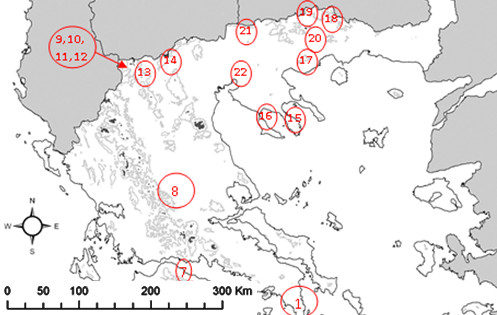
As a result, a map of the collecting sites and the list of species to collect is the initial step in any successful collecting mission.

A map of the planned collecting sites and a list of targeted species are amonge the planning tools
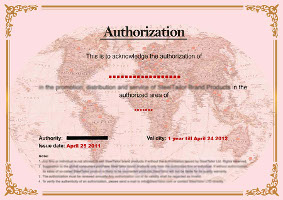
carry on the authorization letter at all times during the collecting mission
Collecting mission authorization
Don�t start collecting without the local authorities� permission
First step is to get the correct information on which authority to contact to obtain a license, and to sign an agreement to collect in the selected area, that in some cases also will require a list of the targeted species, it is recommended not to start collecting without those legal documents that permit the collecting, some countries have severe lows against un authorized collecting of species.
The team and the list of equipment
Interdisciplinary team and proper equipment are necessary
Number and type of participants varies for each collecting mission depending on geographical areas covered and the targeted species; local scientist participations in the mission, is invaluable to the success of the mission.

In the recent collecting mission we had participants from other domains, such as: journalist, moviemaker, and historian; it was a real added value to the mission and to the promotion of genetic resource conservation effort in general, because of the public awareness those types of media can generate.

Collecting bags �multiple sizes�, CB radio system, GPS, pens, pencils, markers, stapler/staples, scissors, First aid kit, ph. Kit, and collecting forms are among the list of equipment needed for a collecting mission.

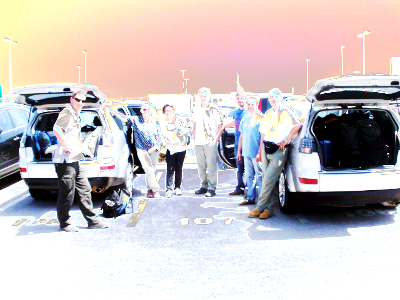
A collecting team at the beginning of the mission with two vehicles loaded with equipment